
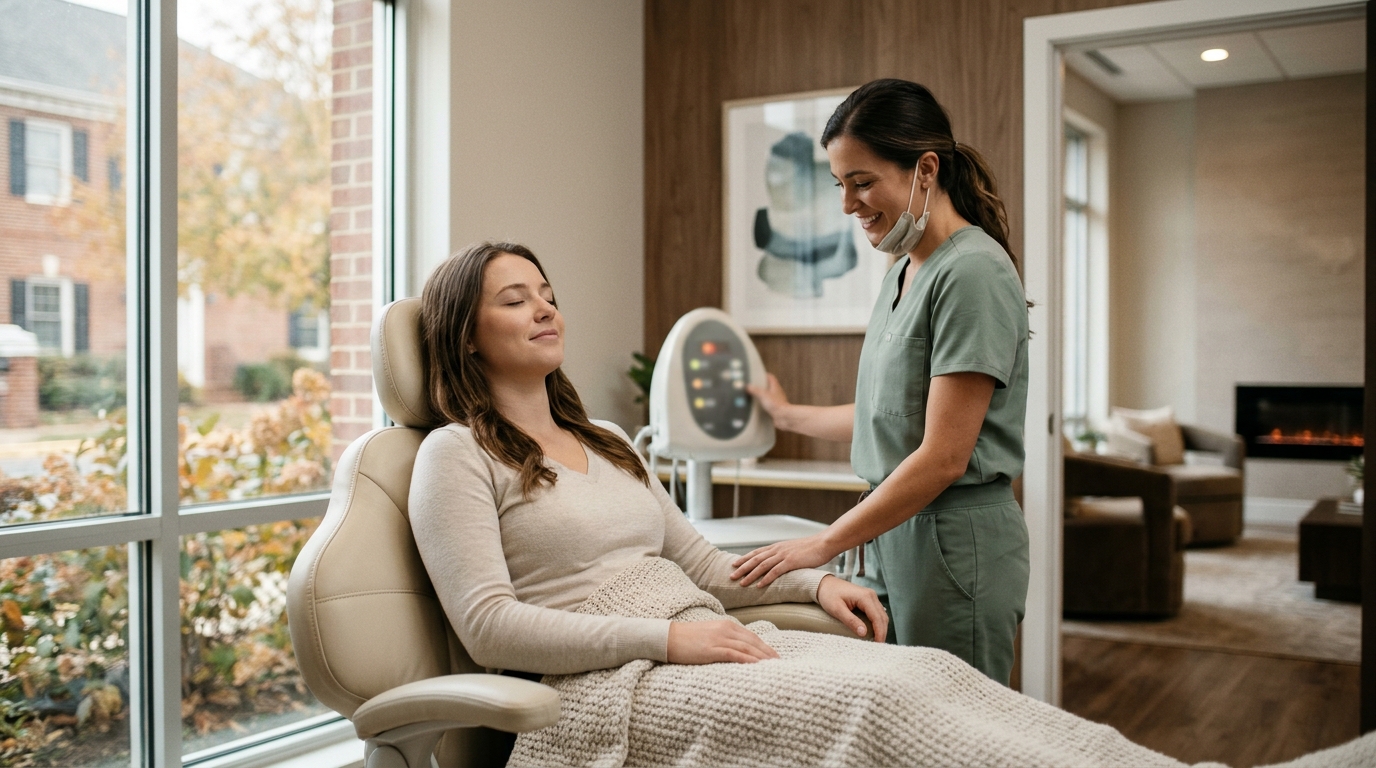
Sedation dentistry helps patients with dental anxiety by using safe, controlled methods to reduce fear and discomfort during procedures. At Tooth Doc Family Dentistry in Herndon, we utilize these techniques to ensure a calm and positive experience. This guide covers oral and IV sedation, anxiety reduction mechanisms, treatment efficiency, gag reflex management, and local anesthesia combinations.
Oral Sedation
Oral sedation is a method of administering a sedative medication in pill form before a dental procedure to induce a state of relaxation. This approach is often the first line of defense for patients who experience mild to moderate dental anxiety. The medication is typically taken about an hour before the appointment, allowing the patient to feel drowsy and calm upon arrival at the clinic.
How Oral Sedation Works
When a patient takes an oral sedative, the drug is absorbed into the bloodstream and affects the central nervous system. This results in a feeling of deep relaxation without rendering the patient unconscious. The patient remains aware of their surroundings and can respond to verbal commands, but the intense fear and tension associated with the dental chair are significantly diminished.
Benefits for Anxious Patients
One of the primary advantages of oral sedation is its ease of use. It does not require needles or intravenous access, which can be a source of anxiety for some patients. Additionally, the effects of oral sedation can last for several hours, which is beneficial for longer procedures or for patients who need to travel to the clinic. At Tooth Doc Family Dentistry, we carefully evaluate each patient's medical history to determine if oral sedation is the appropriate choice for their specific needs.
IV Sedation
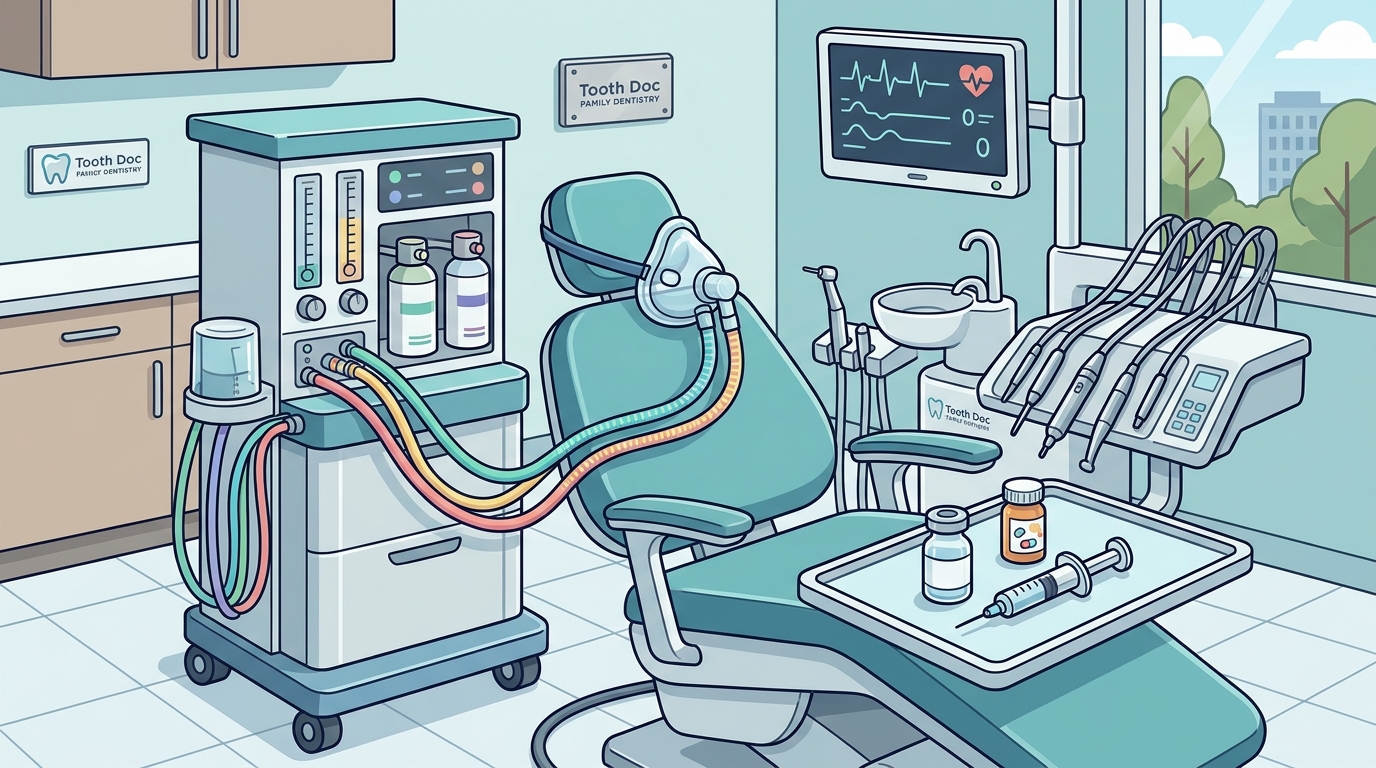
IV sedation, also known as conscious sedation, involves the administration of sedative medications directly into a vein. This method allows for a rapid onset of action and precise control over the level of sedation throughout the procedure. It is particularly effective for patients with severe dental anxiety or those undergoing more complex dental treatments.
The IV Sedation Process
During IV sedation, a small catheter is placed in a vein, usually in the hand or arm. The dentist or a certified sedation provider then administers the medication, which quickly takes effect. The patient enters a state of deep relaxation where they may feel sleepy or even drift in and out of sleep. However, they remain conscious enough to breathe on their own and respond to stimuli if necessary.
Why Choose IV Sedation
IV sedation offers a higher level of control compared to oral sedation. The provider can adjust the dosage in real-time to ensure the patient remains comfortable and safe. This method is ideal for patients who have a low pain threshold or a strong gag reflex. At our Herndon practice, we prioritize patient safety and comfort, ensuring that IV sedation is administered by trained professionals who monitor vital signs throughout the procedure.
Anxiety Reduction Mechanisms
Dental anxiety is a common issue that affects millions of people, often leading to the avoidance of necessary dental care. Sedation dentistry addresses this fear by targeting the physiological and psychological responses to stress. Understanding how these mechanisms work can help patients feel more confident in their treatment plan. according to Safety and Efficacy
Physiological Responses to Anxiety
When a person experiences anxiety, their body releases stress hormones like adrenaline and cortisol. This triggers the fight-or-flight response, leading to increased heart rate, rapid breathing, and muscle tension. Sedation medications counteract these effects by promoting relaxation and lowering the body's stress response. This creates a more comfortable environment for both the patient and the dental team.
Psychological Comfort
Beyond the physical effects, sedation dentistry provides psychological comfort by giving patients a sense of control. Knowing that they can be sedated if they feel overwhelmed reduces the fear of the unknown. At Tooth Doc Family Dentistry, we take a gentle, patient-centered approach that includes thorough explanations and a calm environment to further alleviate anxiety.
Treatment Efficiency
Sedation dentistry not only improves patient comfort but also enhances the efficiency of dental treatments. When patients are relaxed, they are less likely to move or tense up, allowing the dentist to work more precisely and effectively. This can lead to shorter appointment times and better treatment outcomes.
Complex Procedures
For complex procedures such as extractions, root canals, or dental implants, sedation can be particularly beneficial. These treatments often require the patient to remain still for an extended period. Sedation ensures that the patient remains comfortable and cooperative, reducing the risk of complications and the need for multiple visits.
Long-Term Benefits
By making dental visits more comfortable, sedation dentistry encourages patients to maintain regular check-ups and preventive care. This proactive approach helps identify and address dental issues before they become severe, ultimately saving time and money in the long run. Our team at Tooth Doc Family Dentistry is committed to helping patients overcome their fears and achieve optimal oral health.
Gag Reflex Management
A sensitive gag reflex can make dental procedures uncomfortable or even impossible for some patients. Sedation dentistry is an effective tool for managing this issue by reducing the sensitivity of the gag reflex. This allows the dentist to perform necessary treatments without causing distress or interruption.
How Sedation Affects the Gag Reflex
Sedative medications can dampen the neural pathways responsible for the gag reflex. This means that instruments placed in the back of the mouth are less likely to trigger a gagging response. For patients who have struggled with this issue in the past, sedation can be a game-changer, making routine cleanings and restorative work much more manageable.
Comfort and Cooperation
When the gag reflex is managed, patients can relax more fully in the dental chair. This cooperation allows the dental team to work more efficiently and with greater precision. At Tooth Doc Family Dentistry, we understand the unique challenges each patient faces and tailor our sedation approach to ensure a smooth and comfortable experience.
Local Anesthesia Combination
Sedation dentistry is often used in combination with local anesthesia to provide comprehensive pain and anxiety management. While sedation addresses the psychological aspect of dental fear, local anesthesia ensures that the patient does not feel any pain during the procedure. This dual approach provides a complete solution for anxious patients.
The Role of Local Anesthesia
Local anesthesia involves injecting a numbing agent into the area of the mouth where the procedure will take place. This blocks the pain signals from reaching the brain, ensuring that the patient remains comfortable throughout the treatment. When combined with sedation, the patient is both relaxed and pain-free, creating a truly stress-free dental experience.
Integrated Care
At Tooth Doc Family Dentistry, we integrate sedation and local anesthesia seamlessly into our treatment plans. This ensures that patients receive the highest level of comfort and care. Our team works closely with each patient to determine the best combination of techniques based on their specific needs and level of anxiety. according to Need and Demand
| Sedation Type | Onset Time | Level of Relaxation | Best For |
|---|---|---|---|
| Oral Sedation | 30-60 minutes | Mild to Moderate | Mild anxiety, shorter procedures |
| IV Sedation | 5-10 minutes | Moderate to Deep | Severe anxiety, complex procedures |
Key Takeaways
- Sedation dentistry effectively reduces dental anxiety by inducing relaxation and calming the nervous system.
- Oral sedation is a non-invasive option suitable for mild to moderate anxiety.
- IV sedation offers rapid onset and precise control for patients with severe anxiety.
- Sedation improves treatment efficiency by keeping patients still and cooperative.
- Managing the gag reflex with sedation makes dental procedures more comfortable.
- Combining sedation with local anesthesia ensures both relaxation and pain-free treatment.
- Regular dental visits with sedation can help overcome long-term dental fears.
- Tooth Doc Family Dentistry provides personalized sedation plans for patients in Herndon.
Frequently Asked Questions
Is sedation dentistry safe?
Yes, sedation dentistry is considered safe when administered by trained professionals. We monitor vital signs throughout the procedure to ensure patient safety.
Will I be unconscious during sedation?
No, with oral and IV sedation, you remain conscious and able to respond to commands. You will feel relaxed but not completely asleep.
How long does the effect of sedation last?
The duration depends on the type of sedation. Oral sedation can last several hours, while IV sedation effects wear off more quickly after the procedure.
Can I drive myself home after sedation?
No, you should not drive after receiving sedation. We recommend arranging for a responsible adult to drive you home.
Is sedation dentistry covered by insurance?
Coverage varies by insurance plan. We can help you verify your benefits and provide an estimate of your out-of-pocket costs.
Who is a good candidate for sedation dentistry?
Patients with dental anxiety, a sensitive gag reflex, or those undergoing complex procedures are good candidates. We will evaluate your medical history to determine the best option.
Conclusion
Sedation dentistry offers a safe and effective solution for patients with dental anxiety. By utilizing oral and IV sedation, we can help you overcome your fears and receive the care you need. At Tooth Doc Family Dentistry, we are committed to providing a gentle and comfortable experience for all our patients in Herndon. If you are ready to take control of your oral health, to schedule a consultation.