

Restorative dentistry is the branch of dentistry focused on repairing or replacing damaged teeth to restore function and aesthetics. At Tooth Doc Family Dentistry in Herndon, VA, we offer comprehensive restorative services including dental crowns, bridges, and implant-supported restorations. This guide explains how these treatments work, the materials used, and how to determine which option is best for your specific dental needs.
Dental Crowns
A dental crown is a cap that covers the entire visible portion of a tooth. Crowns are the most common form of restorative dentistry and are used to protect teeth that are cracked, chipped, or have large fillings. They are also frequently placed after root canal therapy to protect the treated tooth from breaking. At Tooth Doc Family Dentistry, Dr. Ahmad uses a conservative approach, ensuring that a crown is only recommended when the tooth structure requires it for long-term stability.
When Are Crowns Necessary?
Crowns are indicated when a tooth has sustained significant damage that a simple filling cannot repair. This includes teeth that have undergone endodontic treatment, as the nerve removal can make the tooth brittle over time. Additionally, crowns are used to restore teeth that have been worn down from grinding or erosion. The crown acts as a shield, distributing biting forces evenly to prevent further fracture.
The Crown Placement Process
Placing a crown typically requires two visits. During the first appointment, the dentist prepares the tooth by removing decay and reshaping it to accommodate the crown. Impressions or digital scans are taken to create a custom crown that matches the color and shape of your natural teeth. A temporary crown is placed to protect the tooth while the permanent one is fabricated in a dental lab. At the second visit, the permanent crown is cemented into place.
Dental Bridges
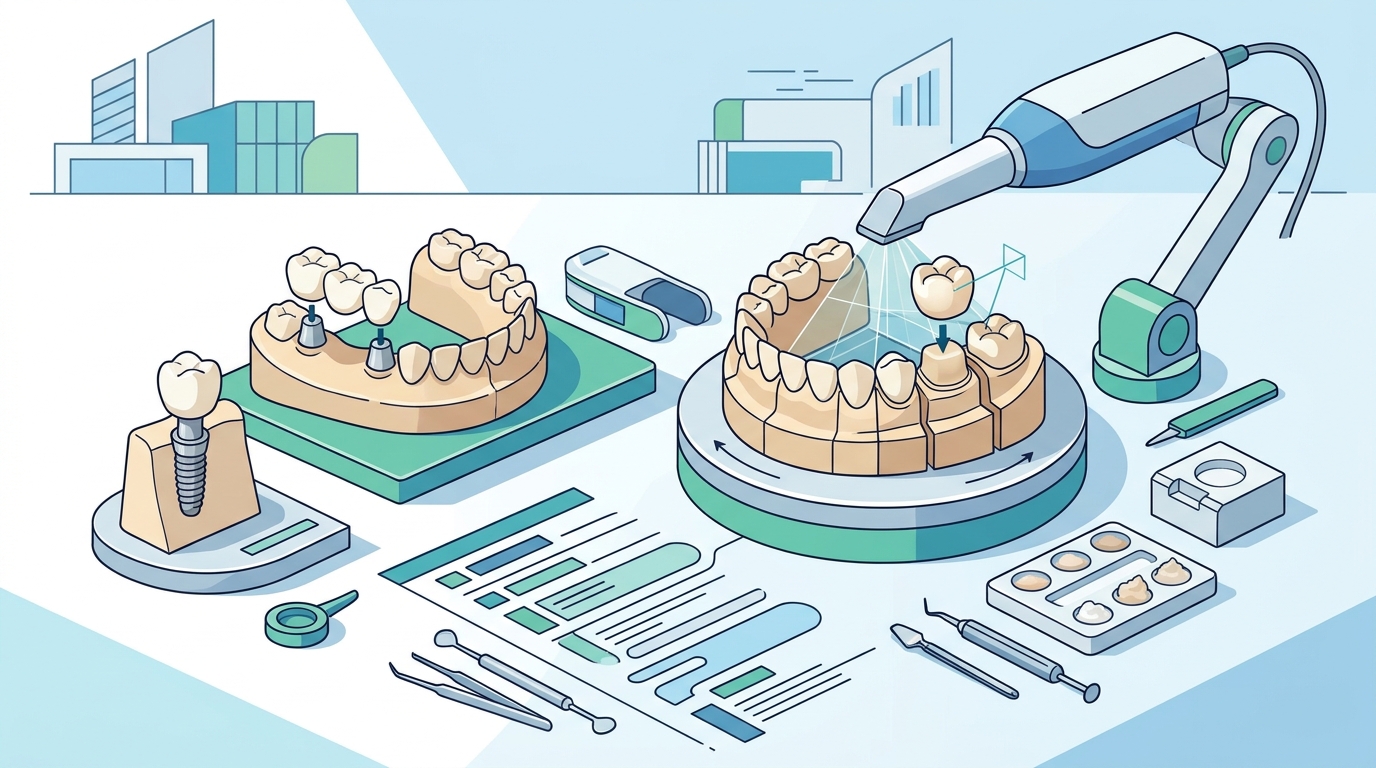
A dental bridge is a fixed prosthetic device used to replace one or more missing teeth. It works by anchoring a false tooth, called a pontic, to the natural teeth on either side of the gap. These anchor teeth, known as abutments, are crowned to support the bridge. Bridges are an excellent option for patients who are not candidates for dental implants or who prefer a non-surgical solution. They restore chewing ability and prevent the remaining teeth from shifting out of alignment.
Types of Dental Bridges
There are several types of bridges, including traditional fixed bridges, cantilever bridges, and resin-bonded bridges. Traditional bridges are the most common and involve crowns on both sides of the missing tooth. Cantilever bridges are used when there is only one adjacent tooth available for support. Resin-bonded bridges, also known as Maryland bridges, are less invasive and are often used for front teeth where aesthetics are a primary concern.
Bridges vs. Implants
While both bridges and implants replace missing teeth, they differ in how they are supported. Bridges rely on the strength of the adjacent natural teeth, which must be healthy enough to bear the additional load. Implants, on the other hand, are anchored directly into the jawbone. Bridges are generally less expensive and faster to complete, but they do not prevent bone loss in the area of the missing tooth as effectively as implants do.
Implant-Supported Restorations
Implant-supported restorations are artificial teeth attached to a titanium post that is surgically placed into the jawbone. This post acts as a replacement for the tooth root. Once the implant has fused with the bone, a process called osseointegration, a crown or bridge is attached to the top. Implant-supported restorations are considered the gold standard for tooth replacement because they preserve bone density and do not require altering adjacent healthy teeth.
The Implant Process
The implant process involves several stages. First, the implant post is placed into the jawbone. This is a minor surgical procedure performed under local anesthesia. After placement, the implant is left to heal for several months, allowing the bone to grow around it. Once healing is complete, an abutment is attached to the implant, and the final restoration is secured. At Tooth Doc Family Dentistry, we coordinate closely with oral surgeons to ensure a seamless treatment plan for our patients.
Benefits of Implant Restorations
Implants offer superior longevity and function compared to other restorative options. They feel and function like natural teeth, allowing patients to eat a wide variety of foods without restriction. Because they are independent of adjacent teeth, they do not put extra stress on the surrounding dentition. Furthermore, implants help maintain the structural integrity of the jawbone, preventing the facial collapse that can occur with long-term tooth loss.
Crown Materials
Dental crowns can be made from various materials, each with its own advantages and disadvantages. The choice of material depends on the location of the tooth, the amount of remaining tooth structure, and the patient's aesthetic preferences. Understanding the differences between these materials helps patients make informed decisions about their treatment.
| Material | Aesthetics | Durability | Best For |
|---|---|---|---|
| Porcelain | Excellent | Moderate | Front teeth |
| Porcelain-Fused-to-Metal | Good | High | Front and back teeth |
| Full Metal | Poor | Very High | Molars |
| Composite Resin | Good | Moderate | Temporary or budget options |
Porcelain and Ceramic Crowns
Porcelain and ceramic crowns are the most popular choice for front teeth due to their natural appearance. They can be custom-shaded to match the surrounding teeth perfectly. However, they are less durable than metal crowns and may chip or crack under heavy biting forces. They are ideal for patients who prioritize aesthetics and have a moderate bite force.
Metal and Porcelain-Fused-to-Metal Crowns
Full metal crowns are made from alloys such as gold, platinum, or base metals. They are extremely durable and can withstand heavy chewing forces, making them ideal for back teeth. However, their metallic color makes them unsuitable for visible front teeth. Porcelain-fused-to-metal crowns combine the strength of a metal core with the aesthetics of a porcelain outer layer. They are a versatile option for both front and back teeth, though the metal edge may sometimes show through the gum line.
Inlays and Onlays
An inlay is a restoration that fits inside the cusps of a tooth, while an onlay covers one or more cusps. These restorations are used when a tooth has decay or damage that is too extensive for a filling but not severe enough to require a full crown. Inlays and onlays are custom-made in a dental lab and bonded to the tooth, providing a strong and durable repair. They preserve more natural tooth structure than crowns, making them a conservative alternative.
Inlays vs. Onlays vs. Fillings
Fillings are direct restorations placed in the mouth during a single visit. Inlays and onlays are indirect restorations, meaning they are fabricated in a lab and then cemented into place. Fillings are suitable for small cavities, while inlays and onlays are used for larger areas of decay or damage. The choice between these options depends on the extent of the tooth damage and the dentist's clinical judgment.
Benefits of Inlays and Onlays
Inlays and onlays offer several advantages over traditional fillings. They are made from stronger materials, such as porcelain or composite resin, which can last longer than amalgam or composite fillings. They are also bonded to the tooth, which helps to support the remaining structure and prevent further fracture. Additionally, inlays and onlays are tooth-colored, providing a natural aesthetic result.
Key Takeaways
- Dental crowns protect damaged teeth and are essential after root canal therapy.
- Dental bridges replace missing teeth by anchoring to adjacent natural teeth.
- Implant-supported restorations are the most durable option and preserve bone density.
- Crown materials include porcelain, metal, and porcelain-fused-to-metal, each with different aesthetic and durability profiles.
- Inlays and onlays are conservative restorations for moderate tooth damage.
- Choosing the right restoration depends on the location of the tooth, the extent of damage, and aesthetic goals.
- Consulting with a dentist is crucial to determine the best treatment plan for your specific needs.
Frequently Asked Questions
How long do dental crowns last?
With proper care, dental crowns can last 10 to 15 years or longer. Regular brushing, flossing, and dental check-ups are essential to maintaining the longevity of your crown.
Do dental bridges hurt?
The process of getting a bridge is painless due to local anesthesia. You may experience some sensitivity or discomfort after the procedure, but this is usually manageable with over-the-counter pain relievers.
Are implants better than bridges?
Implants are generally considered superior because they preserve bone and do not affect adjacent teeth. However, bridges are a viable option for patients who are not candidates for implants or who prefer a less invasive treatment.
What is the difference between an inlay and an onlay?
An inlay fits inside the tooth, while an onlay covers one or more cusps. Both are used for moderate tooth damage and are more conservative than crowns.
Can I eat normally with a crown or bridge?
Yes, crowns and bridges are designed to function like natural teeth. You can eat most foods, but you should avoid extremely hard or sticky items that could damage the restoration.
How much do restorative services cost?
Costs vary depending on the type of restoration, the materials used, and the complexity of the case. Insurance may cover a portion of the cost. Contact Tooth Doc Family Dentistry for a personalized estimate.
Conclusion
Restorative dentistry offers a range of options to repair and replace damaged or missing teeth. From dental crowns and bridges to implant-supported restorations and inlays, each treatment has its own benefits and applications. At Tooth Doc Family Dentistry, we are committed to providing personalized care that addresses your unique dental needs. If you are considering restorative treatment, to schedule a consultation and discuss your options.